Total Pageviews

Showing posts with label Food. Show all posts

Wednesday, 3 February 2016

Do you know how much sugar you eat?


BBC News looks at the amount of sugar found in the kind of food and drink we consume every day.
A total of 347 million people worldwide have diabetes and that figure is set to rise to more than half a billion in the next 20 years.
Do you think food companies should pay a "sin tax" for putting sugar in their products? Or is it down to the individual to make healthy choices?
The BBC World Service is hosting a live debate all about diabetes on Friday, 5 February at 13:00 GMT.
A panel of experts will be available to answer your questions live on air, send them to thefoodchain@bbc.co.uk or via Twitter @bbcworldservice #diabetes
Video journalists: Dougal Shaw and Sarah Stolarz
From BBC News

Wednesday, 2 September 2015

Slower melting ice cream developed by scientists

Scottish scientists believe they have ound the secret to making an ice cream that does not melt so quickly on hot summer days.
Researchers at the universities of Dundee and Edinburgh have found a naturally occurring protein that makes the ice cream mixture more stable meaning it melts more slowly and is smoother in texture.
Prof Cait MacPhee, from the University of Edinburgh, says the new ingredient will mean ice cream will "melt eventually, but hopefully by keeping it stable for longer, it will stop the drips".

A new ingredient developed by scientists in Scotland could mean that ice-cream lovers can enjoy their treats longer before they melt.
Slow melting ice cream
A naturally occurring protein can be used to create ice cream which stays frozen for longer in hot weather.

The scientists estimate that the slow-melting product could become available in three to five years.
The development could also allow products to be made with lower levels of saturated fat and fewer calories.
Teams at the Universities of Edinburgh and Dundee have discovered that the protein, known as BsIA, works by binding together the air, fat and water in ice cream.
It is also said to prevent gritty ice crystals from forming - ensuring a fine, smooth texture.

From BBC News

Thursday, 30 July 2015

Algarve-Portugal-A paradise on South Europe

The Algarve is the south region in Portugal where we can have the most restful and pleasant holidays in Europe. Not far from the North of Africa the temperature are warm all over the year. Mild winters and not too hot summers make this part of Portugal the most desirable for  British tourists but also French, Dutch, Spanish or Asian people come year every summer for some weeks of real nice holidays. Nowadays also American tourists elect the Algarve as one of the best places for some relaxing holidays. 


If you like  wonderful beaches, warm weather, astonishing sea landscape, tasty food and lots of extreme (or not) activities, the Algarve is, no doubt, the right holidays' place.


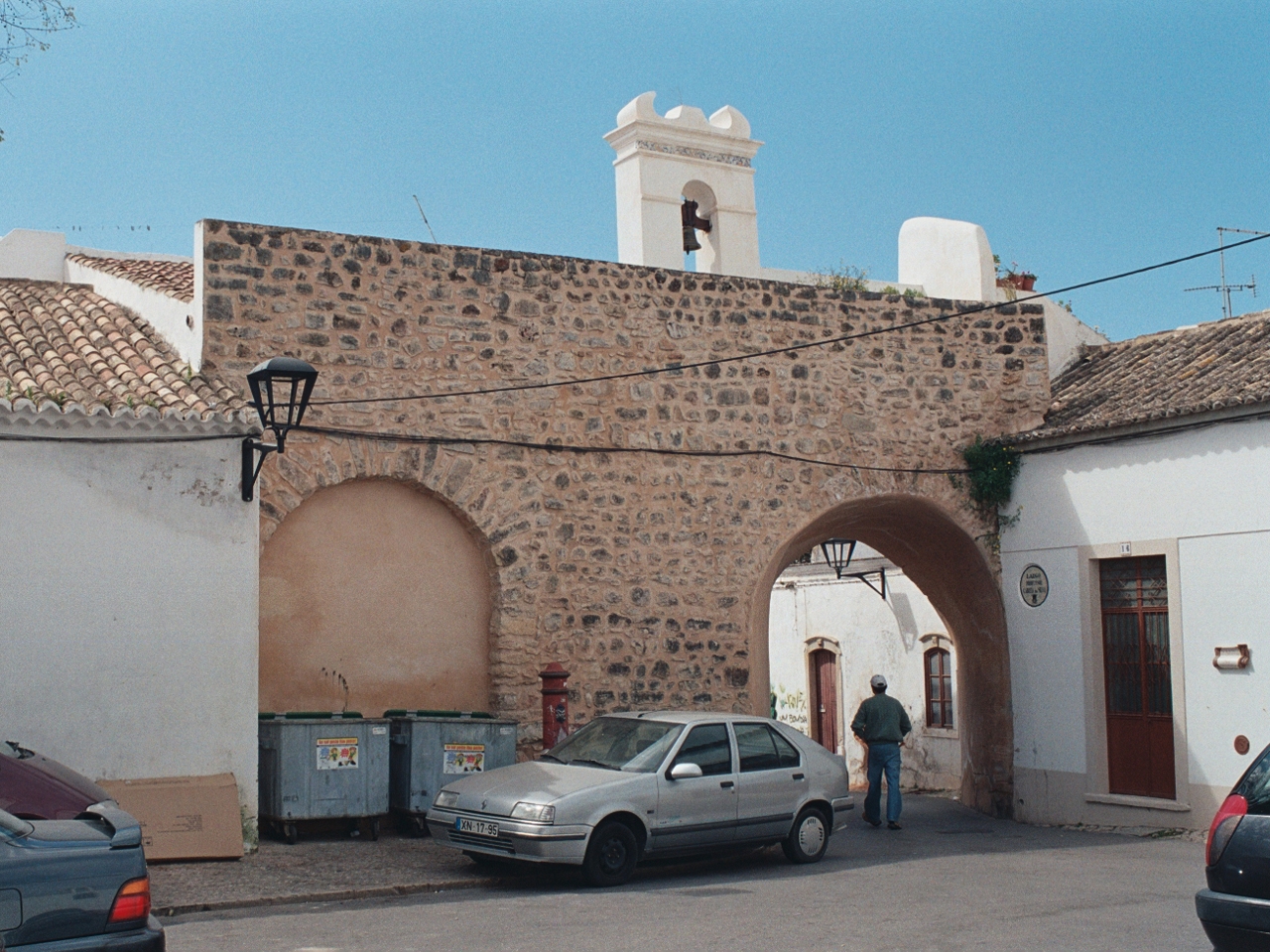
In the Algarve there's plenty of really nice restaurants among the which there's one in particular I would like you to know: BOCAGE in LoulĂ© a cosmopolitan town not far from the coast. LoulĂ© is a nice modern city, although there are lots of older streets and districts with a long story. See the castle for example, very well preserved offering opportunities to be visited.

LoulĂ© is just a few kilometres from the coast where you can enjoy pleasant beaches in towns like Quarteira and Vilamoura  cosmopolitan towns always crowded by tourists coming from numerous parts of the four corners of then world. British, Dutch, French, Spanish, German and even Asian people, come to this part of the Algarve to spent a hell of a time.
Now the restaurant in Loulé:

Bocage is a familiar medium size restaurant in the old part of the city. There you can have lunch or dinner in a truly calm atmosphere and eat homemade meals of high quality.
The staff are very nice and always available for any changes you like in the dish you choose. If you want they also have a take away service.


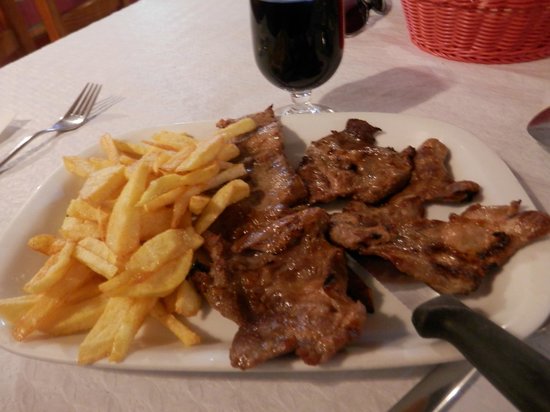
Here you can have a tasty meal made up of endogenous ingredients, respecting the good old homemade food of the Algarve.

Fish is the exlibris of Bocage restaurant as Loulé locates not far from the sea. The fish they serve is, for me, one of the best you can eat. Very fresh sardines, monkfish, golden bream, bream, cuttlefish, salmon, snook among others. At Bocage restaurant you can try the freshest fish in the area.
Meat dishes are also from the best quality and wonderfuly made. You can also find some meat dishes combined with sea food like clams, shrimp and others.

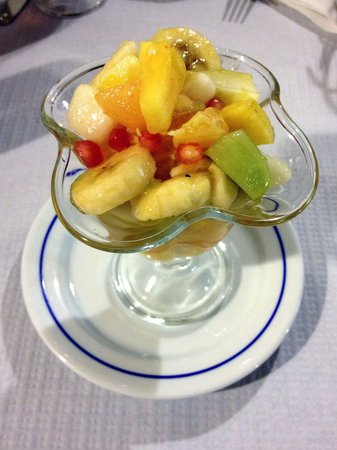
Fresh fruit and sweet desserts make a happy ending. All the dishes comprise products of this part of Portugal as the owners care about offering the best food there is around. The climate provides plenty of sun all over the year so, the fruit are very sweet, making a nice fruit salad. They also serve Portuguese puddings, chocolate, pineaple and mango mousses, tarts, sweet rice among other delicacies are available in Bocage everyday except on Sundays.


At Bocage the prices are really inviting. You can eat a full meal for around 14€, depending on the kind of ingredients and wether you eat some starters or not. The wines are of a very good quality and varfiety: from the Algarve (lighter and fresher)or Alentejo (stronger and thicker) or from the north (fresher and bitter), it's up to you to choose according to your taste. The coffee from a wideworld known Portuguse brand DELTA is one the best in the world. So, if you want to eat nice homemade meals at a good price don't forget to go to Bocage restaurant in LoulĂ© in the Algarve, south of Portugal.

 Adress: Bocage street, nÂș 40- LoulĂ©


 The city market in an Arabe style and  the old castle from the 2nd century are worth a visit too.
                                                                          
MÂȘ Dulce Branquinho

Sunday, 21 June 2015

Nuts 'protect against early death'

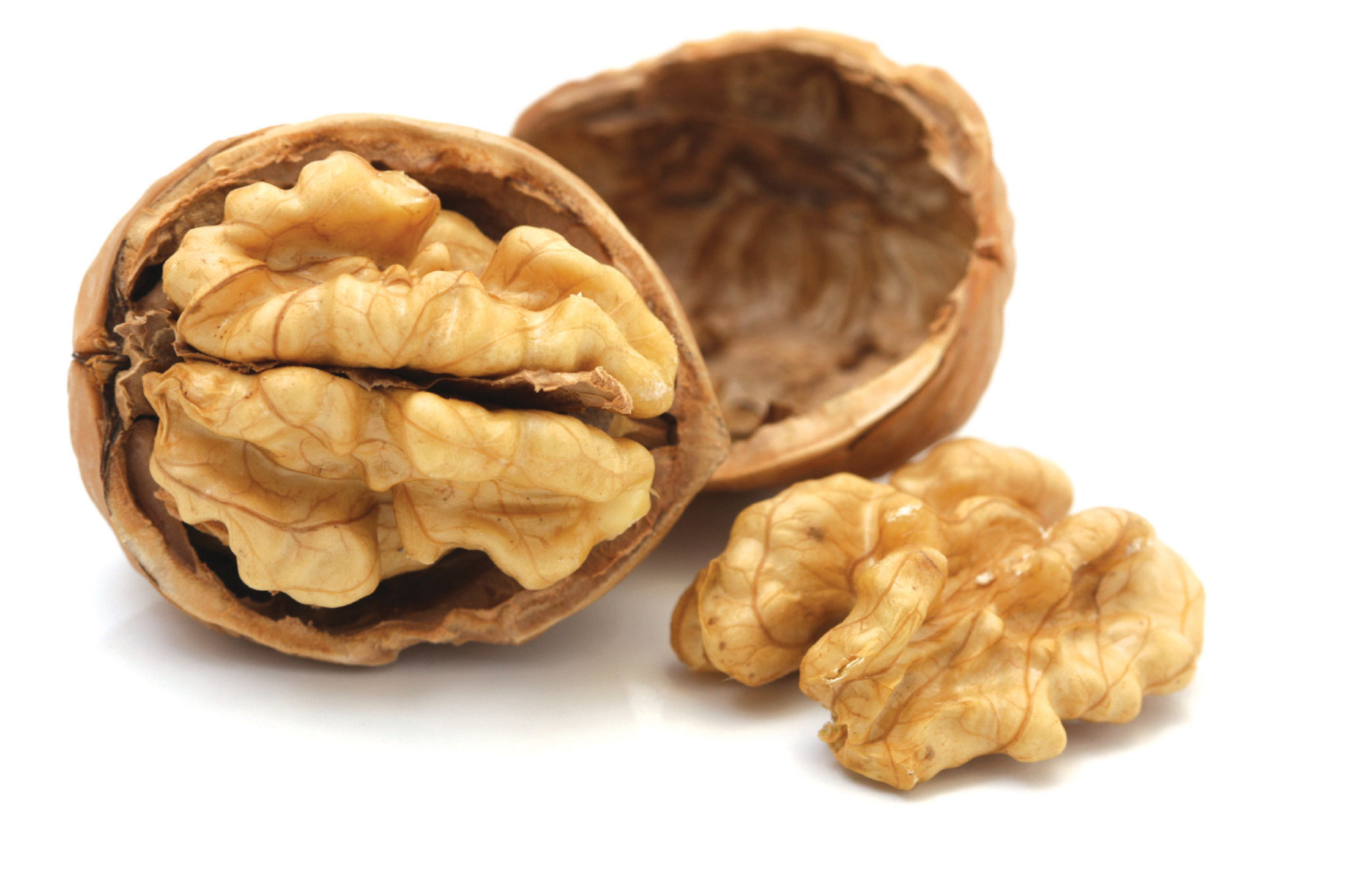
Eating half a handful of nuts every day could substantially lower the risk of early death, a Dutch study suggests.


Just half a handful of nuts a day could make a difference

Previous studies had already indicated a link with cardiovascular health, but this is the first to look at specific nuts and diseases.
Maastricht University researchers found a 23% lower chance of death during the 10-year study in people eating at least 10g (0.3oz) of nuts or peanuts a day.
There was no benefit for peanut butter, which is high in salt and trans fats.

What's in a nut?

  • monounsaturated and polyunsaturated fatty acids
  • various vitamins
  • fibre
  • antioxidants
  • other bioactive compounds
More than 120,000 Dutch 55-to-69-year-old men and women provided dietary and lifestyle information in 1986, and then their mortality rate was looked at 10 years later.
The premature mortality risk due to cancer, diabetes, respiratory and neurodegenerative diseases was lower among the nut consumers.
There was an average 23% lower risk of 10-year mortality across all diseases, with a decrease of:
  • 45% for neurodegenerative disease
  • 39% for respiratory disease
  • 30% for diabetes
Prof Piet van den Brandt, who led the study, published in the International Journal of Epidemiology, said: "It was remarkable that substantially lower mortality was already observed at consumption levels of 15g of nuts or peanuts on average per day."

The researchers had taken into account the mitigating factor that nut consumers ate more fruit and vegetables and that women who ate nuts were often leaner, and adjusted the results accordingly, Prof Van den Brandt told the BBC.
 (BBC News)

Monday, 1 June 2015

KFC sues Chinese firms over eight-legged chicken rumours

The fast food chain KFC is to sue three Chinese firms it accuses of using social media to spread false rumours about its food, including that it used eight-legged chickens.

Oh, my God!

People walk past a KFC restaurant in Beijing, in this file photo taken October 23, 2013.
KFC has over 4,000 restaurants in China
KFC is seeking compensation of 1.5m yuan ($242,000, £159,000) and an apology.
One of the posts said chickens used by the company were genetically modified to have six wings and eight legs.
A case has now been filed before a court in Shanghai.
KFC says the rumours appeared in posts on the WeChat app.
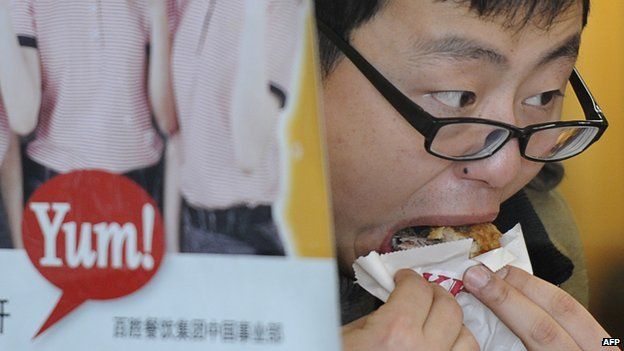
A man eating at KFC in China
Owner Yum Brands warned of a profit drop after a meat scandal hit its Chinese outlets
In a statement, the fast food giant said (in Chinese) that the rumours had spread through at least 4,000 subsequent posts.
"This not only seriously misled consumers, but also hurt our brand," said Qu Cuirong, KFC China's president.
The company named the original posters as Shanxi Weilukuang Technology Company Ltd, Taiyuan Zero Point Technology Company and Yingchenanzhi Success and Culture Communication Ltd.
Those firms have not commented on the court complaint.
By the end of 2014, KFC had 4,828 branches in China, and has been opening hundreds of new outlets every year.
The company's owner, Yum Brands, warned of a drop in profits for 2014 after one of the suppliers to its Chinese stores was accused of selling old meat.
KFC, along with fast food giant McDonald's, stopped using meat from the supplier after its operations were suspended last July.
From BBC News

Sunday, 15 February 2015

A taste of the first fish and chip shop to open in Kabul

The first British fish and chip shop has opened in Afghanistan's capital Kabul, serving up a taste of the UK to locals.
The food is served wrapped in paper, as one might expect, and the owners hope to open more restaurants around the country.


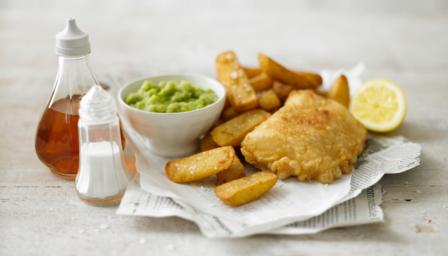
How to cook the perfect home-made Fish & Chips 

Fish and chips

Ingredients

  • beef dripping or oil, for deep frying (beef dripping is used in the traditional method and gives a far better flavour, but sunflower orvegetable oil will work just as well)
For the fish
  • 4x175g/6oz thick cod or haddock fillets, taken from the head end rather than the tail end of the fish
  • 225g/8oz self-raising flour, plus extra for dusting
  • salt and freshly ground black pepper
  • 300ml/10fl oz fridge-cold lager
For the chips
  • 6-8 large floury potatoes, such as maris piper, king edward, desiree (depending on how hungry you are)

Preparation method

  1. Preheat the oven to 150C/300F/Gas 2 and preheat the dripping or oil to 120C/250F.
  2. For the chips, peel the potatoes and cut into whatever size you prefer. Wash well in cold water, drain and pat dry with a clean tea towel. Put the potatoes into the fryer and allow them to fry gently for about 8-10 minutes, until they are soft but still pale. Check they're cooked by piercing with a small, sharp knife. Lift out of the pan and leave to cool slightly on greaseproof paper.
  3. Increase the heat of the fryer to 180C/350F.
  4. Season the fish and dust lightly with flour; this enables the batter to stick to the fish.
  5. To make the batter, sift the flour and a pinch of salt into a large bowl and whisk in the lager to give a thick batter, adding a little extra beer if it seems over-thick. It should be the consistency of very thick double cream and should coat the back of a wooden spoon. Season with salt and thickly coat 2 of the fillets with the batter. Carefully place in the hot fat and cook for 8-10 minutes until golden and crispy. Remove from the pan, drain and sit on a baking sheet lined with greaseproof paper, then keep warm in the oven while you cook the remaining 2 fillets in the same way.
  6. Once the fish is cooked, return the chips to the fryer and cook for 2-3 minutes or until golden and crispy. Shake off any excess fat and season with salt before serving with the crispy fish. If liked, you can serve with tinned mushy peas and bread and butter, for the authentic experience!
From BBC News

The traditional Fish & Chips wrapped in newspaper